Definition
CTR (Click-Through Rate)
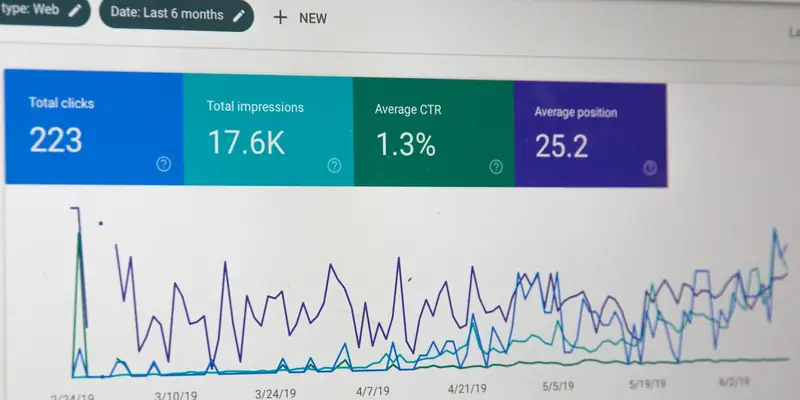
CTR, or click-through rate, is the percentage of people who click a link, ad or search result after seeing it, calculated as clicks divided by impressions.

CTR shows how appealing and relevant your ad or listing is to the people who see it. In paid search it also affects ad quality, which can influence what you pay per click. In organic search, a clear title and description can raise CTR even if your ranking doesn't change.
A high CTR is only good if the clicks match what the page delivers. Clickbait headlines raise CTR but send unhappy visitors away, which wastes money in ads and sends poor signals in search.
CTR in practice
A search ad is shown 2,000 times and clicked 100 times, giving a CTR of 5%. Rewriting the headline to include the city and a clear offer lifts the CTR to 7%, bringing more visitors for the same number of impressions.
Related terms
Common questions about CTR
How do you calculate CTR?
Divide clicks by impressions and multiply by 100. 50 clicks from 1,000 impressions is a 5% CTR.
What is a good CTR?
It varies by platform, industry and position. Compare your CTR with your own past results and similar campaigns rather than a single benchmark.
How can I improve my CTR in Google search results?
Write clear, specific page titles and meta descriptions that match what people are searching for, and use structured data where it fits.
Does CTR affect cost in Google Ads?
Expected click-through rate is one part of how Google judges ad quality, which can affect your ad position and what you pay.
Related services


Google Ads Management
Search, Shopping, Performance Max, and YouTube campaigns built around profit, not clicks.

SEO
Technical, content, and authority SEO built to compound organic traffic and revenue over time.
Conversion Rate Optimization (CRO)
Systematic landing page and funnel testing to get more revenue from the traffic you already have.